Liang Weiwei
Senior partner at HanSheng Law Offices, Shanghai. Admitted in the PRC in 2010. The practice has two directions: exit, and control.
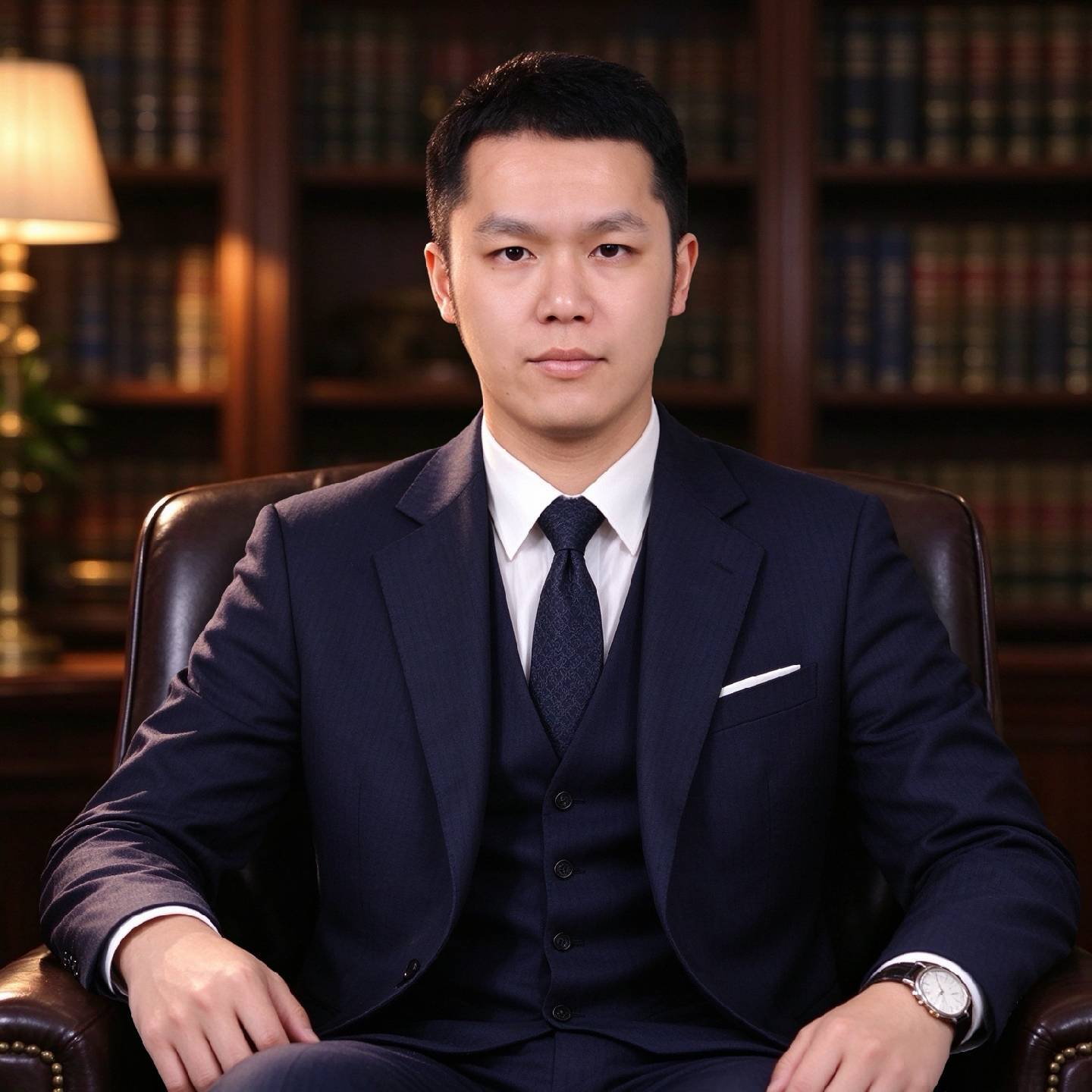
Sixteen years of commercial disputes in Shanghai, the last seven as a senior partner at a firm of more than seven hundred lawyers. The work is cross-border by nature: offshore funds holding PRC assets, foreign investors in joint ventures, and overseas firms that need a mainland opinion on a live file.
The practice began in ordinary commercial litigation — trade, construction, banking, bankruptcy — and narrowed to the two questions clients actually pay to have answered: how money leaves a PRC company, and who controls one when the shareholders stop agreeing.
| Admission | People’s Republic of China, 2010. Practises in Shanghai. |
| Firm | HanSheng Law Offices (established 1996), senior partner since 2019; director of the firm’s digital economy and artificial intelligence committee. |
| Education | LLB and LLM, East China University of Political Science and Law; Master in EU Business Law, Aix-Marseille University, France. |
| Languages | Chinese, English, French. |
| Forums | HKIAC, CIETAC and SCIA arbitration; PRC first-instance and appellate courts; enforcement and preservation applications across mainland jurisdictions. |
| Contact | weiwei.liang@hanshenglaw.cn · +86 21 5187 7676 |
Career
- 2010
Admitted to practise in the PRC; began in commercial litigation in Shanghai.
- 2013
Founded a Shanghai firm and led it as party branch secretary, building a disputes practice across trade, construction and banking work.
- 2019
Joined HanSheng Law Offices as a senior partner.
- 2026
Director of the firm’s digital economy and artificial intelligence committee; convenes seminars on AI, data and employment regulation.
Admitted in 2010 and in practice continuously since. Founded a Shanghai firm and led it as party branch secretary before joining HanSheng in 2019 as a senior partner. Sixteen years of commercial disputes, the last seven concentrated on two things that offshore clients actually buy: getting money out of a PRC portfolio company, and keeping control of one.
The practice was built on a simple observation. Most cross-border China disputes are lost before they are filed — a notice served too late, a claim brought against the wrong entity, a preservation application filed after the transfer was registered. So the work starts with the documents and the dates, and the first deliverable is usually a short written note saying which gate is decisive.
What the practice covers

The firm behind the practice
HanSheng was founded in 1996 and now has more than seven hundred admitted lawyers across thirty offices in China and abroad — Hong Kong, Singapore, Kuala Lumpur, Luxembourg and New Zealand among them. Since 2025 it occupies its own nine-storey building on Century Avenue, with a roof garden and about ten thousand square metres of office space, and was the first Shanghai firm to obtain ESG certification.
- Cross-border PE and VC disputes: repurchase and put rights, VIE and multi-layer exits, joint venture breakdown.
- Investment arbitration: HKIAC, CIETAC and SCIA, with parallel preservation in the mainland and enforcement of the resulting award.
- Shareholder and control litigation: deadlock, derivative claims against directors and controllers, challenges to resolutions and registrations, recovery of seals and books.
- Recognition and enforcement: Hong Kong and foreign awards and judgments against PRC assets, asset tracing, and liability claims against the parties behind an empty company.
- Adjacent risk: customs and tax investigations, administrative penalties, and data and AI compliance, where they arise inside a commercial dispute.
Representative matters, by magnitude
- Preferred-share repurchase under a VIE structure: claims in the low tens of millions of US dollars, with personal guarantees of the controller at issue.
- Offshore fund exits across BVI, Cayman and Hong Kong layers: individual claims from the tens to the high tens of millions of US dollars.
- Earn-out and repurchase arbitration for a hardware manufacturer: a claim in the hundreds of millions of RMB.
- Control and derivative litigation inside a private group: a series in the hundreds of millions of RMB, with multi-round preservation and enforcement objections.
- Enforcement of awards against mainland operating entities, including tracing receivables and claims against affiliates.
All matters anonymised under client confidentiality. Outcomes are not disclosed, and no result is promised in any other matter.
Roles and memberships
- Deputy to the 10th Shanghai Lawyers Congress.
- National young lawyer leadership programme, All China Lawyers Association.
- Member, planning and rules committee, Shanghai Bar Association.
- Member, energy, resources and environment committee, Shanghai Bar Association.
- Council member, environment and resources protection law research association, Shanghai Law Society.
- Director, Pudong New Area legal services industry association; expert in the Pudong government legal counsel pool.
- Long-term legal counsel to several government agencies, including on administrative reconsideration and regulatory risk.
The team
Mr Liang leads the firm’s commercial dispute resolution team, with members combining company law, cross-border arbitration, data compliance and construction backgrounds, working in Chinese and English. The team maintains a standing relationship with a Hong Kong barristers’ chambers for arbitration, opinions and hearings under Hong Kong, Cayman and BVI law.
The working model is end-to-end: transaction review, evidence organisation, forum and strategy, preservation, cost-benefit analysis, settlement design and enforcement. Courtroom advocacy is part of it; the earlier stages usually decide it.
How this practice works
Two rules. The file is read before a view is given — no view is formed from a summary in an email. And the answer is written down: whether a window is open, what a reduction requires, whose assets can be reached. A written view that can be checked is worth more than a confident call.
Scope: admitted in the PRC and practising in Shanghai. This practice gives no opinion on the law of any other jurisdiction; that is commissioned from counsel admitted there.
Reading before writing.
If you want a view on a live question, the documents matter more than the description of them.